Continuous Research Layer
Research
Evidence records, mission logs, reporting and briefing layer for operator-reviewed maritime, infrastructure and multi-domain awareness missions.
Research turns mission activity into reviewable context: event records, replay timelines, operator notes, audit history and briefing outputs. It is the disciplined record layer that helps Sky Shadow move from raw awareness to accountable, controlled-disclosure mission evidence.
Mission Context
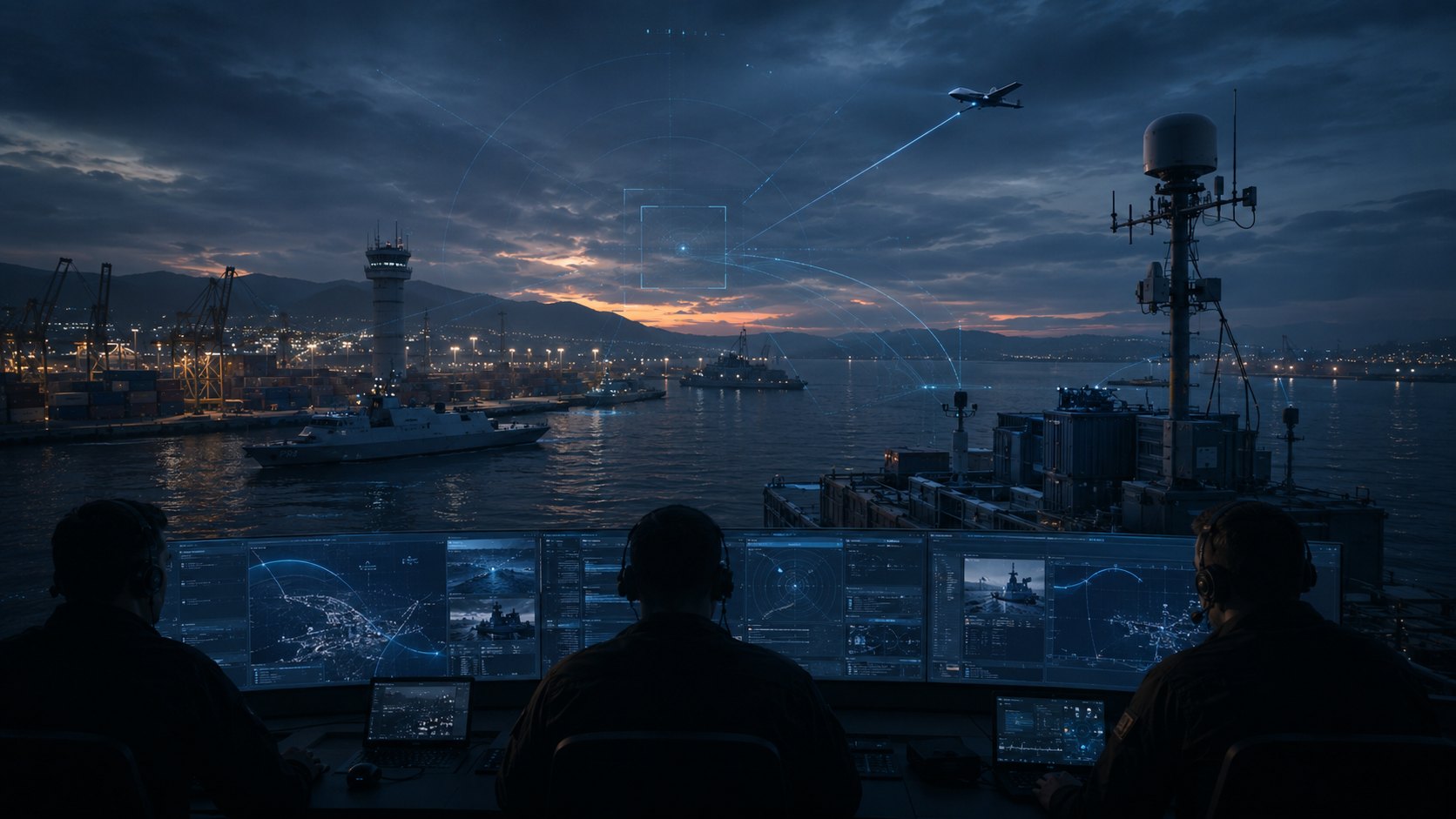
Built around mission architecture, operator review and evidence-ready decisions
Research preserves the record of what was observed, how it was reviewed, which mission layer contributed context and what was prepared for decision-makers. It supports public-sector, maritime, infrastructure-owner and partner conversations without exposing deployment-sensitive assumptions.
Capture event context, timestamps, source layer and operator notes.
Reconstruct mission timelines and review the development of an event.
Convert complex activity into controlled briefing material for authorised stakeholders.
Feed lessons back into sensing, command workflow and pilot design.
Capability Areas
What Research brings together
Evidence-ready event history
Structured records connect what was observed, when it was surfaced, which layer contributed context and how it was handled by an operator.
- Event chronology
- Source context
- Review notes
Mission timeline reconstruction
Replay views help authorised teams review the development of activity across air, surface, subsea and fixed-site layers.
- Timeline reconstruction
- Layer-by-layer context
- After-action review
Decision-ready reporting
Complex signals are organised into controlled briefing outputs that support procurement, pilot review, public-sector engagement and infrastructure-owner discussion.
- Briefing packs
- Stakeholder summaries
- Public-safe language
Controlled disclosure boundary
Research keeps public communication strategic while preserving the ability to move qualified parties into deeper private review where appropriate.
- Disclosure discipline
- NDA route support
- Lawful-use posture
Pilot success criteria
Pilot programmes can be assessed against agreed mission outcomes, review quality, reporting usefulness and operational support assumptions.
- Mission fit
- Evidence quality
- Stakeholder review
Continuous improvement loop
Lessons from missions and pilots feed back into sensing posture, autonomy logic, command workflow and briefing structure.
- Feedback loops
- Architecture refinement
- Operational maturity
Operator-reviewed decisions
Research supports human-commanded autonomy by making operator acknowledgement, escalation and decision context visible in the record.
- Review states
- Role context
- Action history
Mission knowledge base
Mission records become a controlled knowledge base for future partner discussions, procurement review and mission architecture planning.
- Briefing history
- Mission patterns
- Evidence library
Mission Systems
Software, sensing and evidence layers connected into one architecture
SHADOWCORE
Sensor fusion, anomaly review and mission intelligence layer that helps organise signal context before it enters the evidence record.
ARGUS
Persistent watch and multi-sensor correlation layer for air, surface, subsea and fixed-site awareness inputs.
AEGIS
Human-commanded tasking, alert acknowledgement, escalation and mission workflow layer.
Holo-Fusion
Operator interface and replay layer for seeing mission context as one reviewed operating picture.
Research
Evidence records, mission logs, briefing packs, reports and controlled review outputs.
Private Briefing
Qualified stakeholder route for deeper mission-discovery, compliance screening and controlled disclosure.
Cinematic Mission View
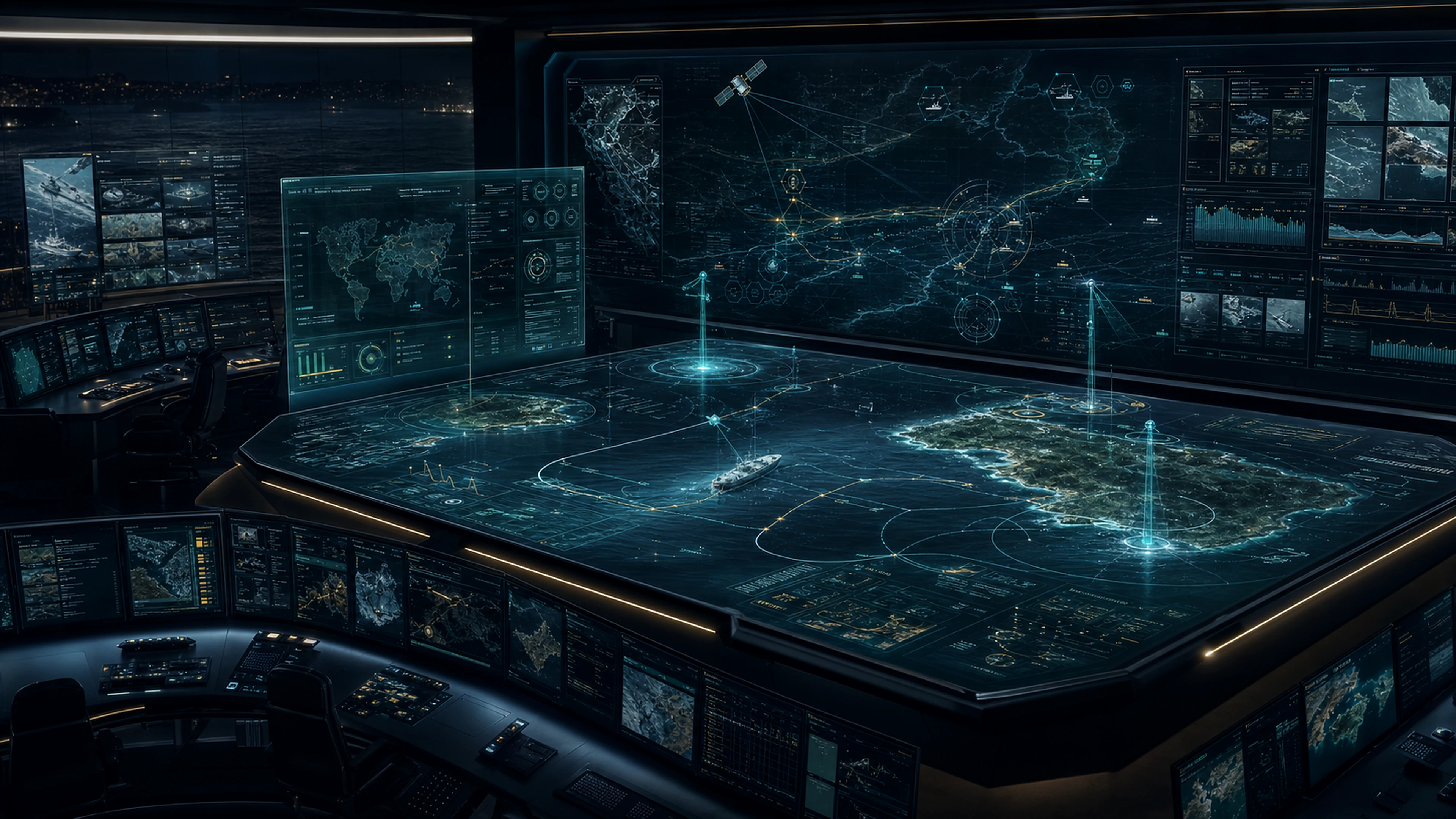
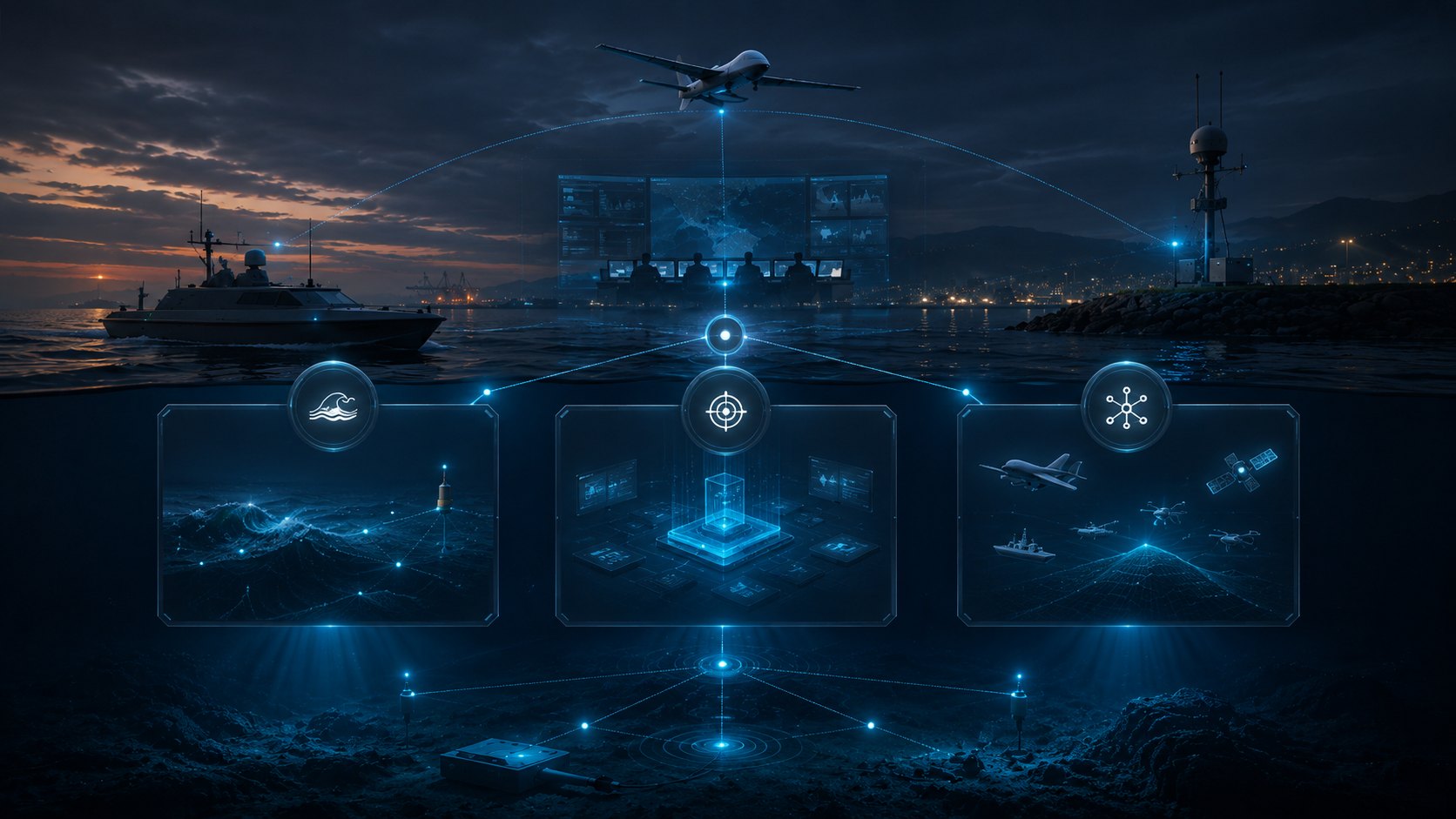
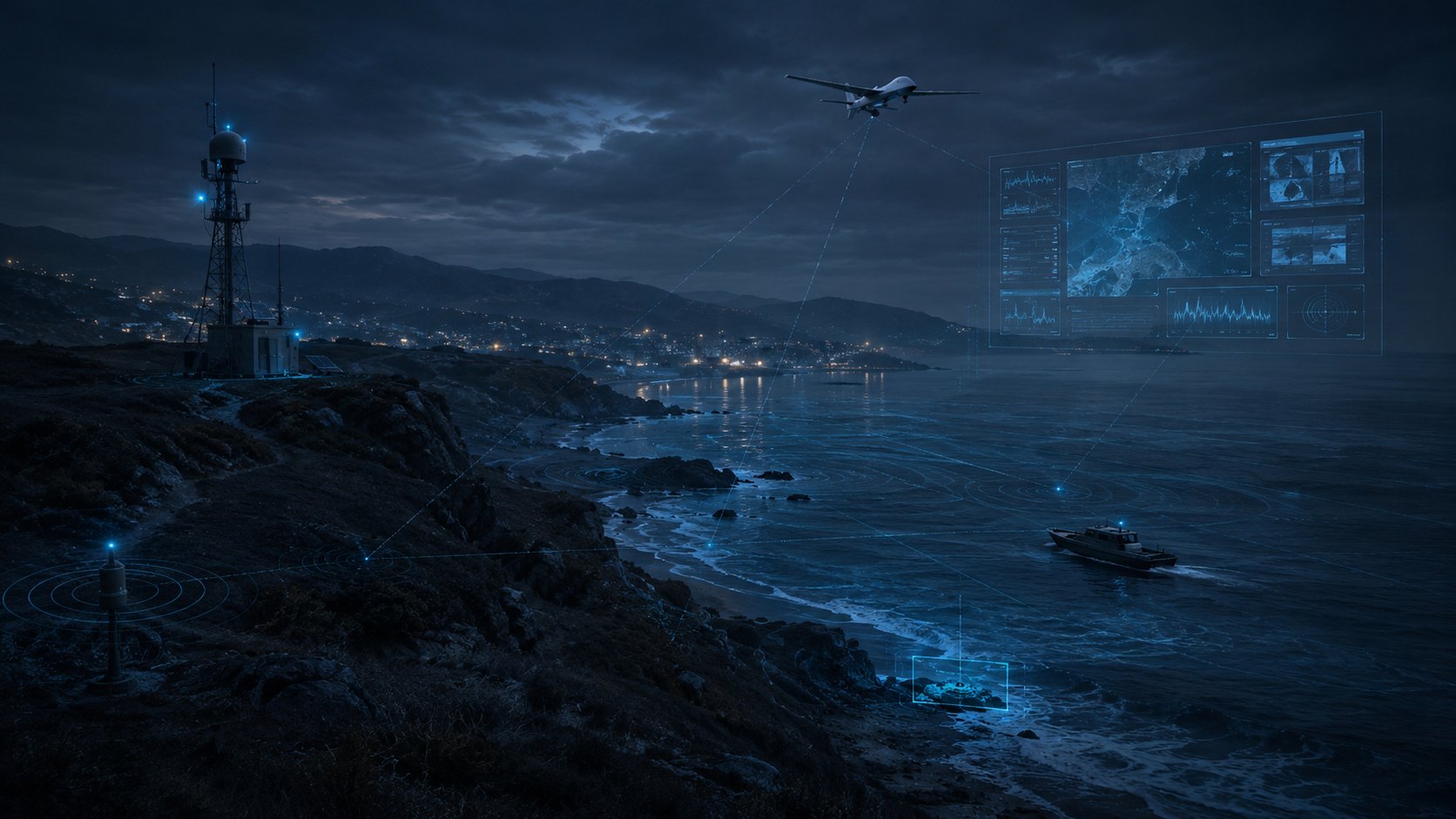
Research turns the operating picture into accountable mission memory
Evidence Model
From mission activity to controlled review material
Research supports evidence-ready reporting by preserving event records, replay timelines, operator actions, alerts and briefing outputs. Holo-Fusion makes those records visible through replay mode, incident review and after-action reporting, while AEGIS keeps action states and operator responsibility connected to the mission record.
The result is not a public technical specification. It is a controlled public overview of how Sky Shadow thinks about mission memory: reviewed records, disciplined reporting, lawful-use positioning and private disclosure where deeper detail is appropriate.
Deployment Path
From requirement to reviewed mission evidence
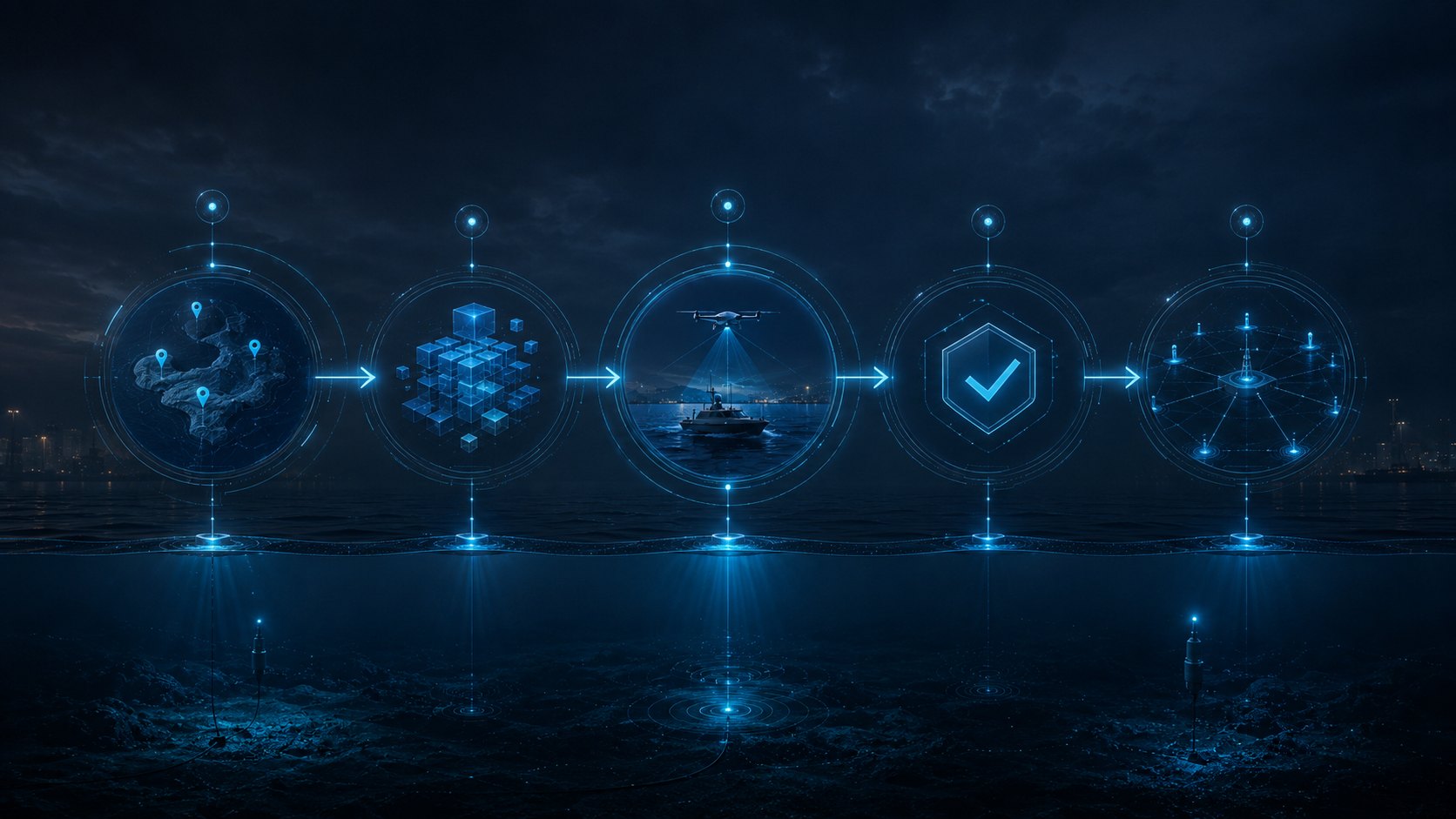
Map the mission
Define the site, assets, operating area, stakeholder group, decision points and evidence expectations.
Select the record model
Choose what needs to be captured, replayed, reviewed and briefed without over-disclosing sensitive detail publicly.
Run a controlled pilot
Validate event records, operator review, reporting outputs, support requirements and stakeholder usefulness.
Review and govern
Align action history, data handling, disclosure boundaries, reporting cadence and accountable review workflows.
Improve the architecture
Use lessons from the evidence record to refine sensing, autonomy, command interface and future mission planning.
Procurement Notes
Buyer-facing structure, clean evidence and responsible public detail
Public information is intentionally high-level and defensive. Detailed deployment, integration and operational material is handled through a controlled briefing route.
Private Briefing
Discuss the mission evidence context with Sky Shadow
Share the operating environment, asset group, timescale, pilot objective and reporting expectation. Sky Shadow can then map the requirement to platform, sensing, command and evidence layers.