
Sky Shadow Systems
Agentic Multi-Domain Protection Systems
Sky Shadow combines a legally held aerospace engineering estate, supplier-enabled platform production, advanced payload integration, low-signature design research, subsea systems and human-commanded command software into one protection stack for civil, maritime, infrastructure and defence environments.
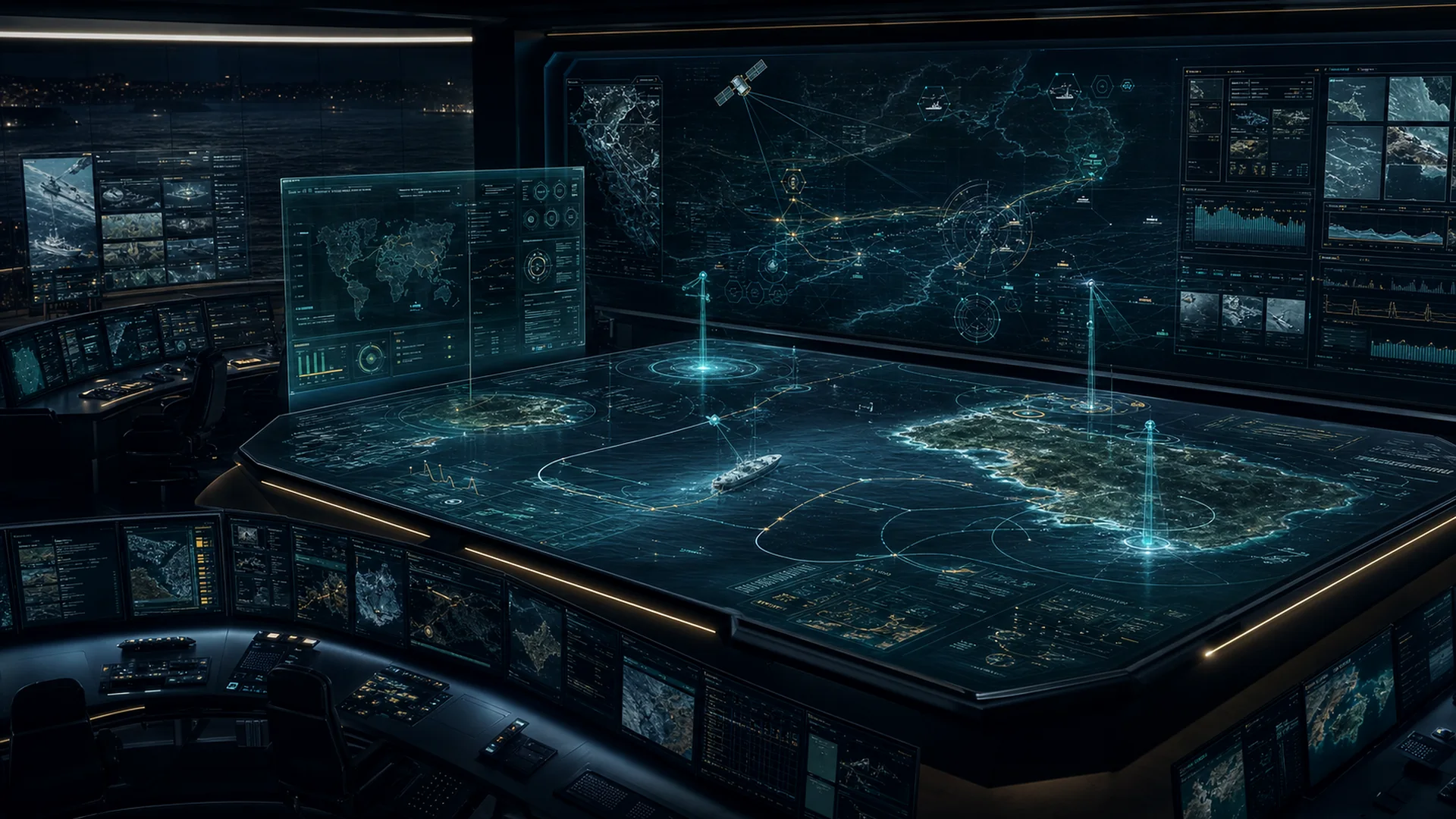
The whole system in one view
Not only a platform company. Not only a software company.
Sky Shadow is not only a platform company and not only a software company. It is a controlled operating stack: platforms, payloads, software, intelligence, evidence, governance, pilots, training and partner integration.
 Engineering Estate
 Platform Families
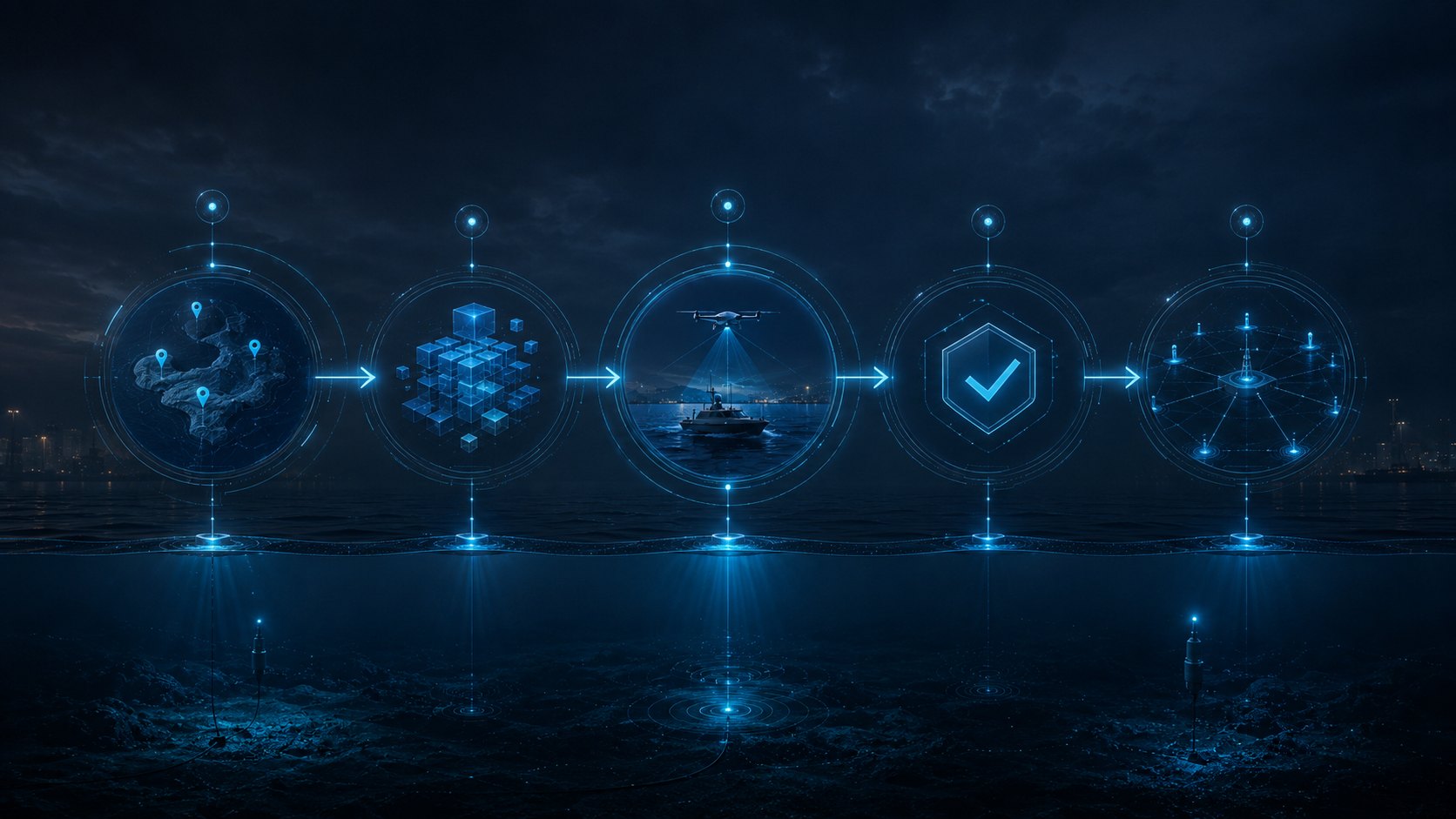 Payload Layer
 Supplier RouteCommand & Control
 AI & Analytics
 Evidence Records
 Governance
Engineering foundation
Why Sky Shadow can move quickly
Sky Shadow operates from a legally held aerospace engineering and supply-chain knowledge base. This gives the company a practical platform foundation, supplier route and assembly model that can be adapted for qualified pilots, partner programmes and controlled procurement discussions.
The public site can describe the existence of the engineering foundation without naming restricted legacy brands or suppliers.
Sky Shadow is building a rapid qualified-build pathway for pilots, partner programmes and controlled procurement discussions.
Sky Shadow operates from an extensive proprietary technical knowledge base and digital design library.
CAD, supplier, production and restricted technical detail remain inside private review.
Agentic company model
Human-commanded agentic infrastructure
The company is being designed as an agentic organisation: software agents support engineering, research, documentation, design iteration, mission configuration, assurance and internal operations under human direction.
 SenseFuse
 UnderstandPredictRecommendAuthorise
 AssessLearn
Operating domains
Air, surface, subsea, fixed site, cyber, logistics and human command
Each domain is connected back to the same software, evidence and governance architecture, so the public narrative reads as one system rather than disconnected products.
ISR, mapping, route watch, rapid verification and persistent awareness from aerial platforms.
Vessels, harbour systems, surface autonomy, patrol context and waterside protection.
Route monitoring, cable and pipeline awareness, glider concepts and undersea evidence review.
Ports, offshore assets, compounds, remote sites and critical infrastructure command layers.
Resilience, zero-trust posture, intelligence warning and secure command workflows.
Supplier-enabled production pathway, spares, mission continuity and partner support.
Lawful review, authority, escalation, confidence display and evidence-ready decisions.
Software and intelligence architecture
Connected parts of one operating layer
The software layer connects fusion, cyber-resilience posture, strategic warning, simulation, evidence, command panels and lawful review.
Core mission software and integration layer. Coordinates mission state, platform context, operator workflow, evidence records and system-level integration.
Sensor fusion and agentic decision-support layer. Turns multi-source data into fused events, confidence-scored decision cards, ranked options and evidence-ready records.
Cyber-centric multi-domain operating architecture. Coordinates cyber foresight, zero-trust posture, mission assurance, AI-assisted command support, resilience and governed learning.
Restricted strategic warning and intelligence layer. Converts weak signals into strategic warning and commander-ready intelligence while keeping restricted intelligence inside controlled review.
Authorised-effects support governance layer. Supports planning, legal routing, deconfliction, escalation-risk review, authority tracking, audit and post-action assessment. It is not presented as an autonomous effects system.
Simulation, red-team, training and governed learning environment. Replays missions, tests assumptions, captures lessons, supports model improvement and keeps self-learning inside human approval gates.
Mission evidence, chain of custody, reporting and after-action learning. Preserves what was sensed, what was fused, what was recommended, what humans decided and what happened.
Civilian resilience, evidence, accountability and lawful containment architecture. Turns risk intelligence, evidence preservation, civilian continuity and lawful action packages into a non-offensive resilience and accountability layer.
Mission solutions
Buyer routes for serious mission contexts
Public pages explain mission problems through the same Sky Shadow stack: platform, payload, fusion, evidence, governance and pilot pathway.
Platform families
Mission-configurable carriers of the software, payload and evidence stack
Every platform is presented with a domain, role, related software, readiness label and controlled briefing route.
Air domain. Persistent aerial ISR and maritime awareness. Readiness: Production pathway.
Air domain. Low-signature design research and advanced air-platform pathway. Readiness: Restricted briefing.
Surface domain. Autonomous surface security and maritime infrastructure protection. Readiness: Partner-review.
Restricted Technologies domain. Acoustic signature-reduction IP and controlled specialist review. Readiness: Restricted briefing.
Subsea domain. Route monitoring and subsea navigation-positioning concept layer. Readiness: Prototype pathway.
Fixed Site domain. Protected-site sensing, perimeter context and operator command support. Readiness: Pilot-ready.
Human Command domain. Command tables, panels, holo panels and enterprise mission views. Readiness: Partner-review.
Commercial route
Briefing to qualified pilot to procurement discussion
Sky Shadow provides qualified buyers with a controlled path from private briefing to non-classified pilot, mission configuration, platform integration, operator workflow, evidence reporting and support.
Initial organisation, stakeholder and mission context.
Stakeholder fit, lawful-use position and disclosure boundary.
Non-classified scenario, success criteria and governance assumptions.
Platform, payload, software and operator workflow planning.
Decision cards, event record, review status and next-step recommendation.
Procurement, partner integration, support or restricted technical review.
Visual system
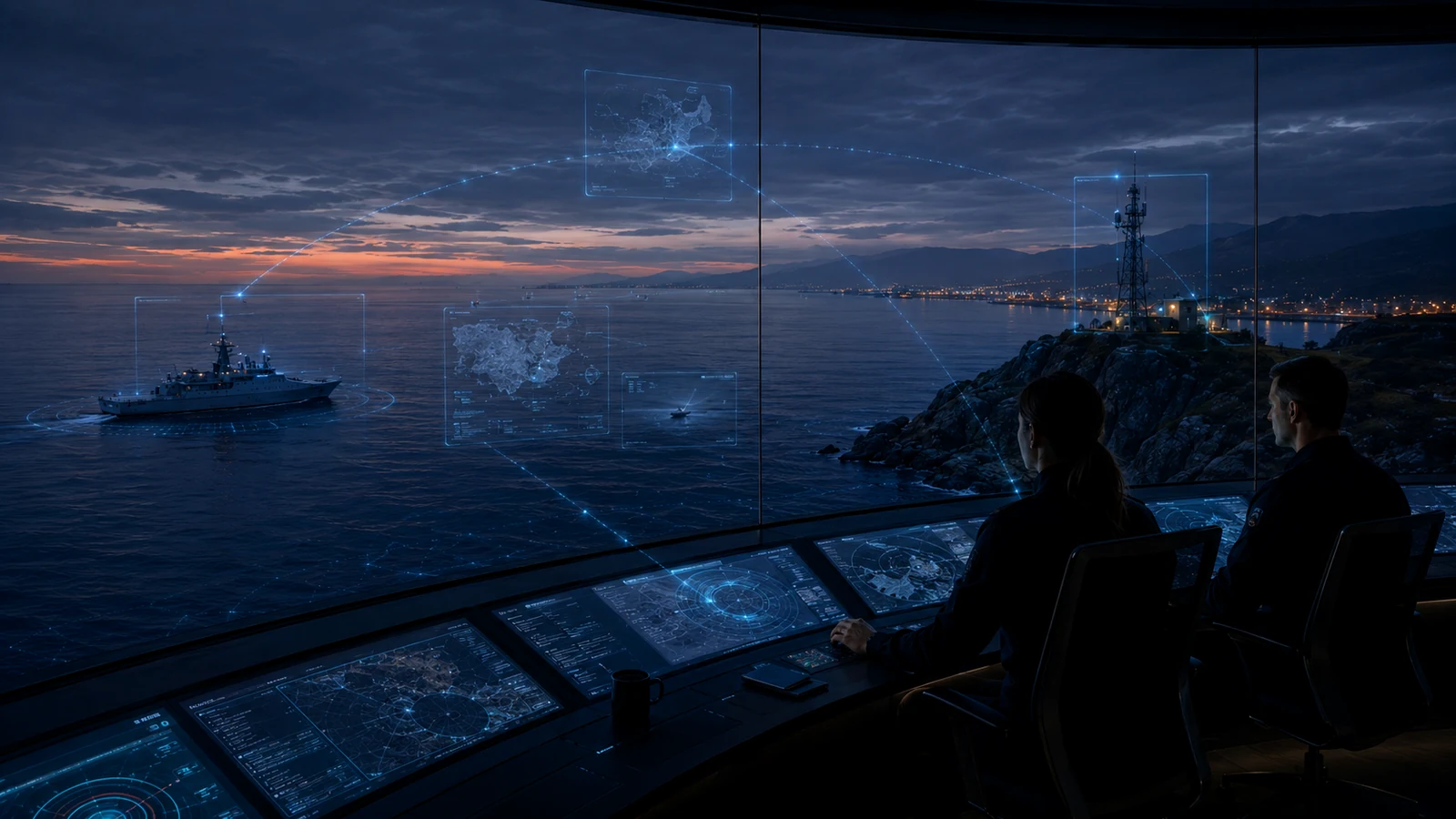
Cinematic public mission context
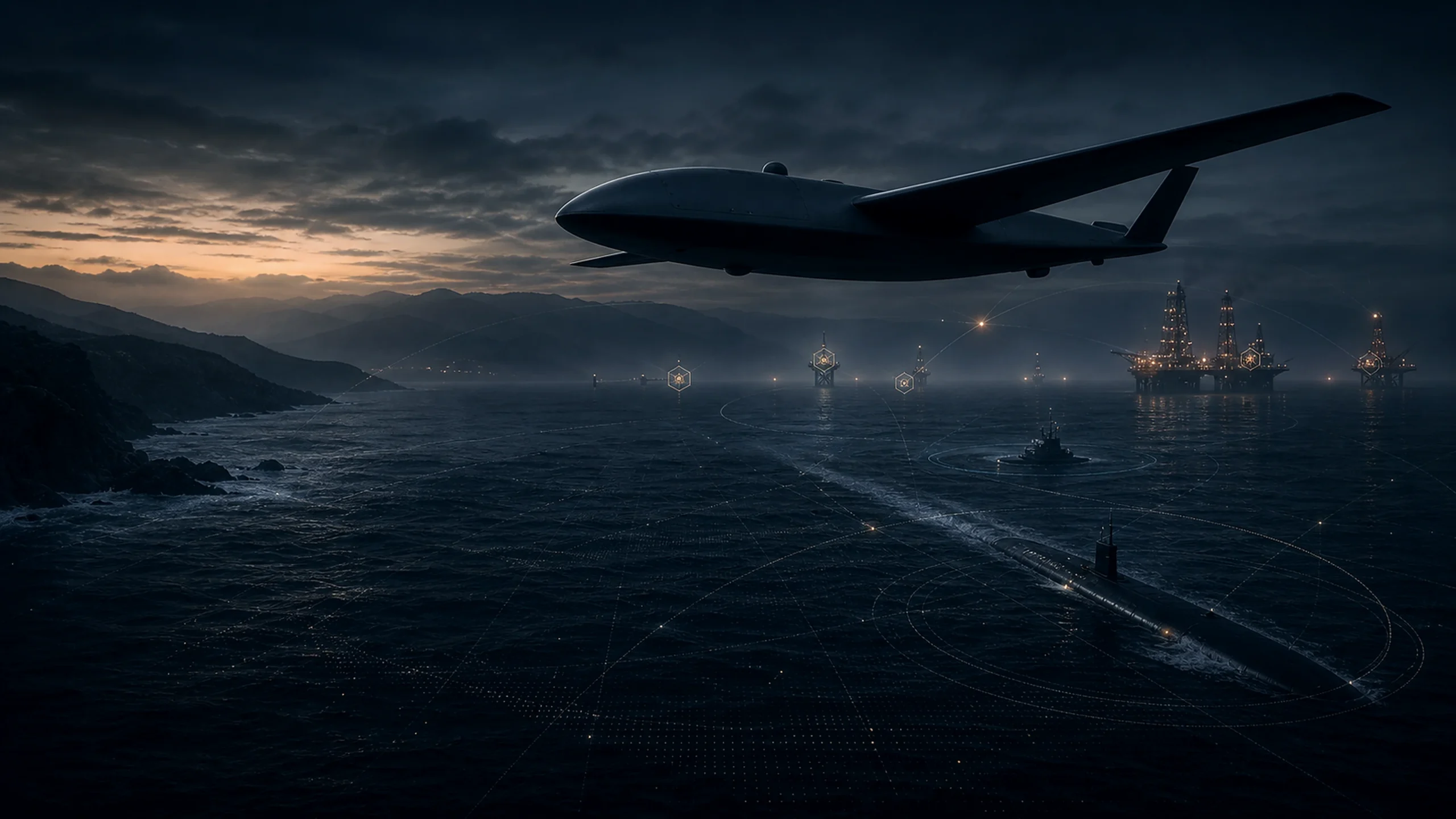
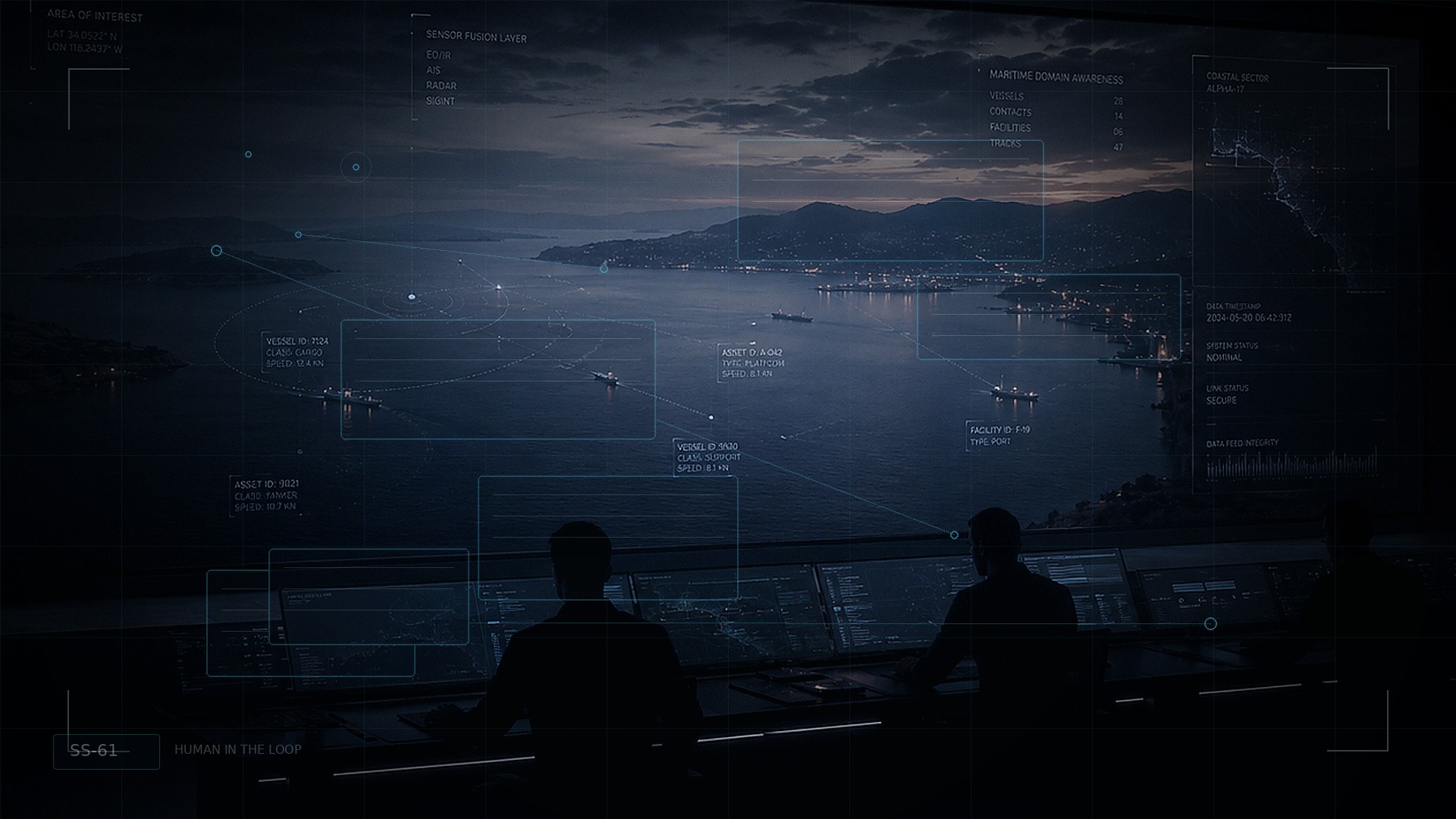
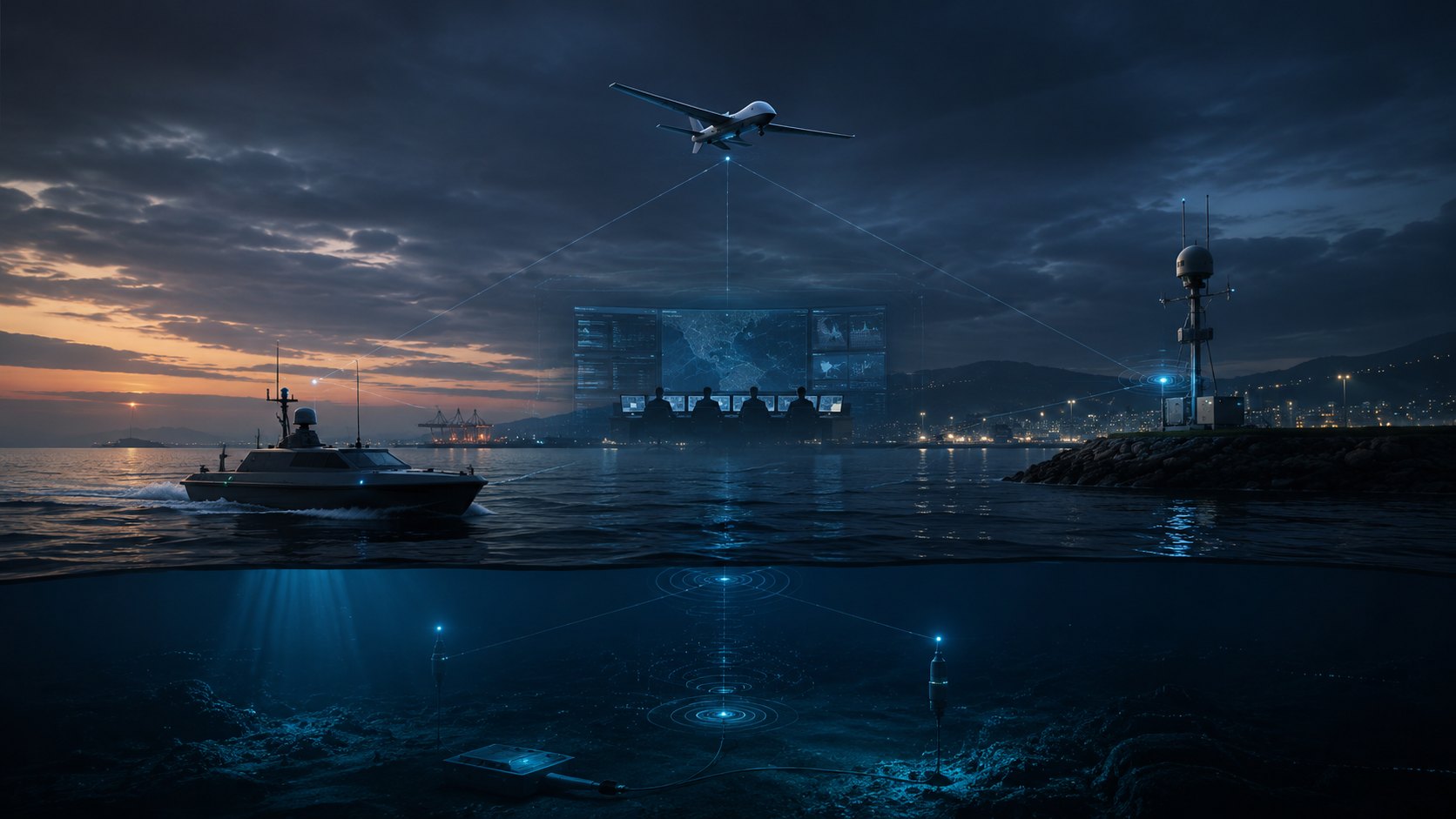
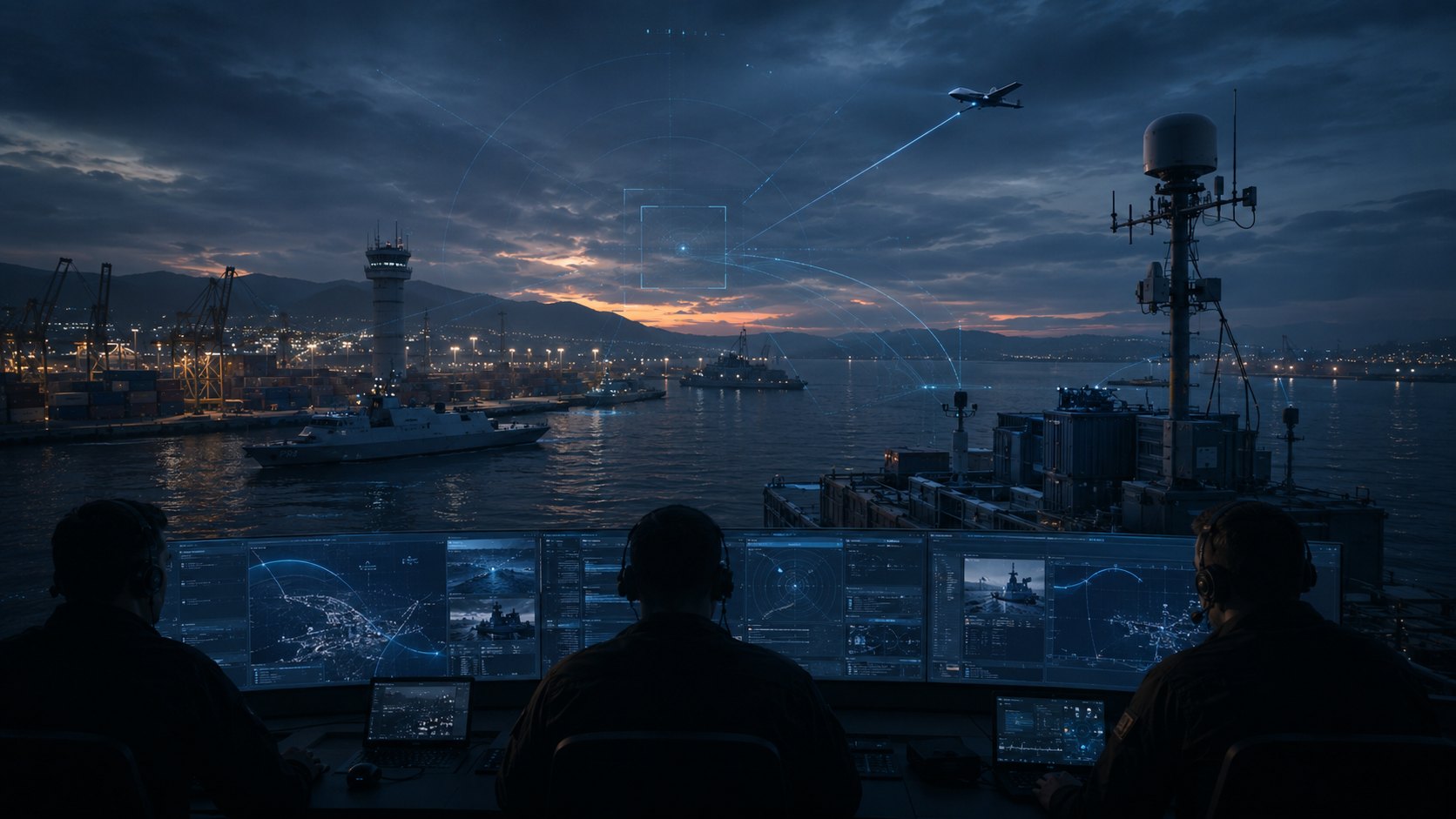
Multi-domain maritime command overviewCommand, fusion and operator workflowPlatform families and mission architectureGovernance boundary
Public information is deliberately limited
Technical specifications, deployment assumptions, restricted payload details, supplier data, operational methods and sensitive performance claims are available only through controlled review, lawful-use screening and appropriate confidentiality arrangements.
Autonomy supports awareness, triage and decision support. Accountable humans remain responsible for review, authorisation and escalation.
Procurement, partner and public-sector conversations are handled through controlled qualification and mission context review.
Mission workflows are framed around what was sensed, fused, recommended, decided and reviewed.
The public website avoids sensitive methods, supplier details, operational procedures and protected technical designs.
Proof and evidence panel
Controlled disclosure route
Related routes
Continue through the Sky Shadow system
Next step
Request a private mission briefing from Sky Shadow Mayfair
Qualified procurement, partner, public-sector, infrastructure-owner and investor enquiries are routed through controlled review.