
Software and command gateway
Technology Architecture
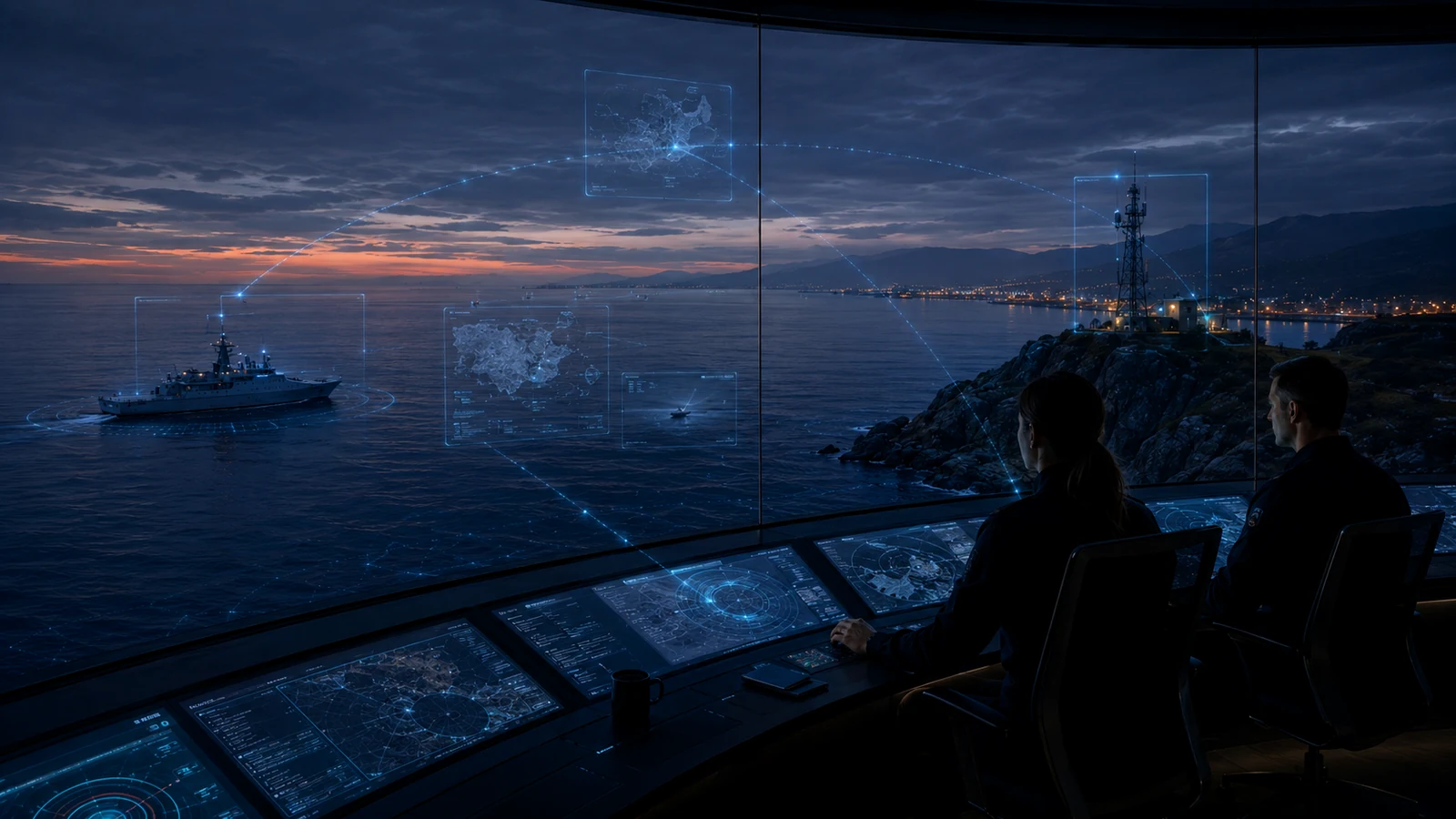
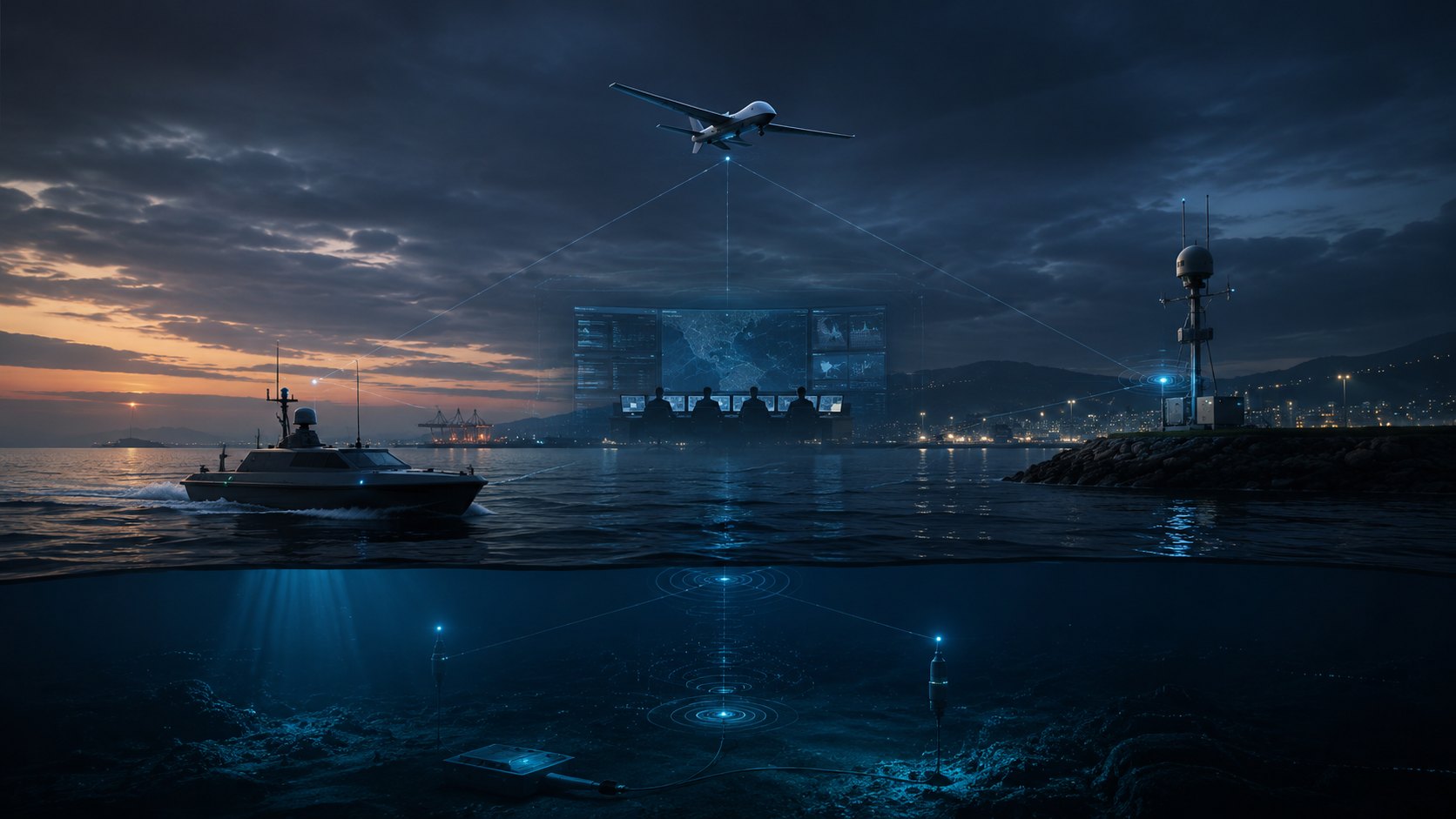
Sky Shadow's technology architecture connects sensing, fusion, intelligence, decision support, evidence, simulation and lawful governance into one human-commanded operating layer.
Software pillars
Inputs, outputs and human-command boundary
Each pillar is explained in plain English, with public-safe inputs and outputs. Restricted procedures and deployment-sensitive details remain private.
Core mission software and integration layer. Coordinates mission state, platform context, operator workflow, evidence records and system-level integration.
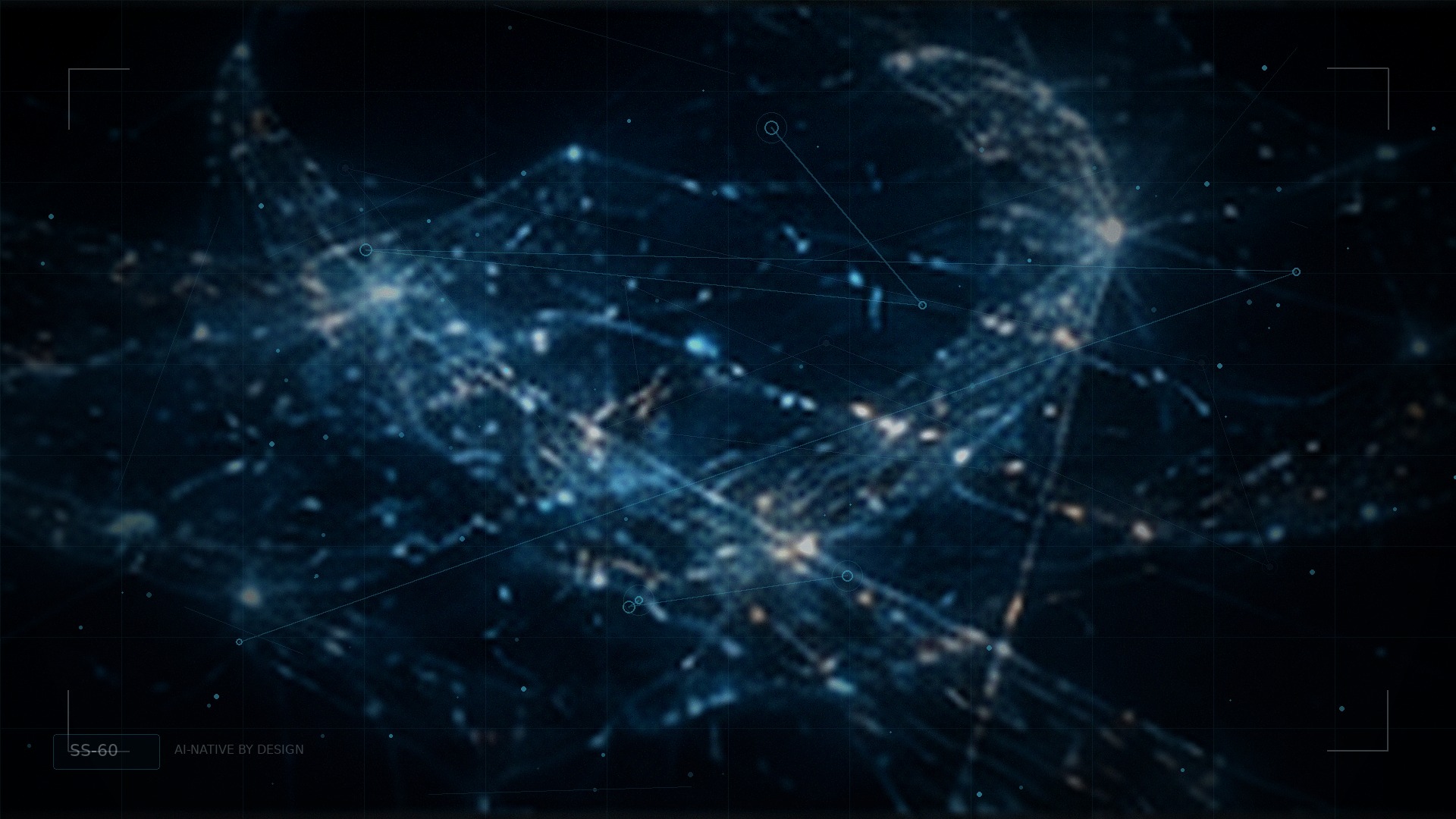
Sensor fusion and agentic decision-support layer. Turns multi-source data into fused events, confidence-scored decision cards, ranked options and evidence-ready records.
Cyber-centric multi-domain operating architecture. Coordinates cyber foresight, zero-trust posture, mission assurance, AI-assisted command support, resilience and governed learning.
Restricted strategic warning and intelligence layer. Converts weak signals into strategic warning and commander-ready intelligence while keeping restricted intelligence inside controlled review.
Authorised-effects support governance layer. Supports planning, legal routing, deconfliction, escalation-risk review, authority tracking, audit and post-action assessment. It is not presented as an autonomous effects system.
Simulation, red-team, training and governed learning environment. Replays missions, tests assumptions, captures lessons, supports model improvement and keeps self-learning inside human approval gates.
Mission evidence, chain of custody, reporting and after-action learning. Preserves what was sensed, what was fused, what was recommended, what humans decided and what happened.
Civilian resilience, evidence, accountability and lawful containment architecture. Turns risk intelligence, evidence preservation, civilian continuity and lawful action packages into a non-offensive resilience and accountability layer.
Operating loop
From sensing to evidence-ready learning
 Sense
Sense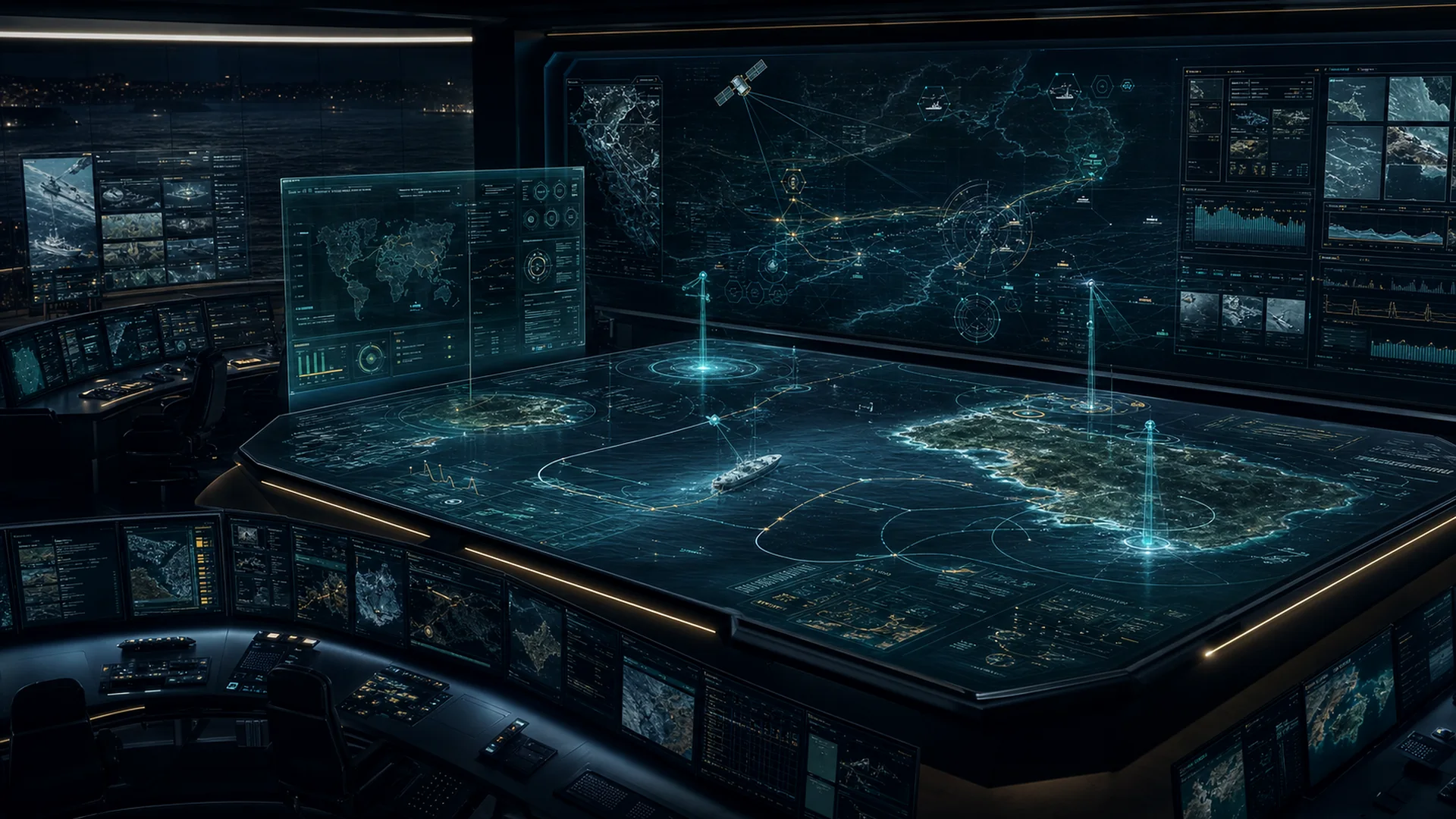 Fuse
Fuse Understand
 PredictRecommend
 Authorise
 Assess
 Learn
LearnHuman command boundary
Decision support, not uncontrolled autonomy
Sensors, platform status, route context, environmental data, operator notes and partner-approved mission data.
Fused events, confidence-scored decision cards, ranked options, status views, evidence logs and briefing reports.
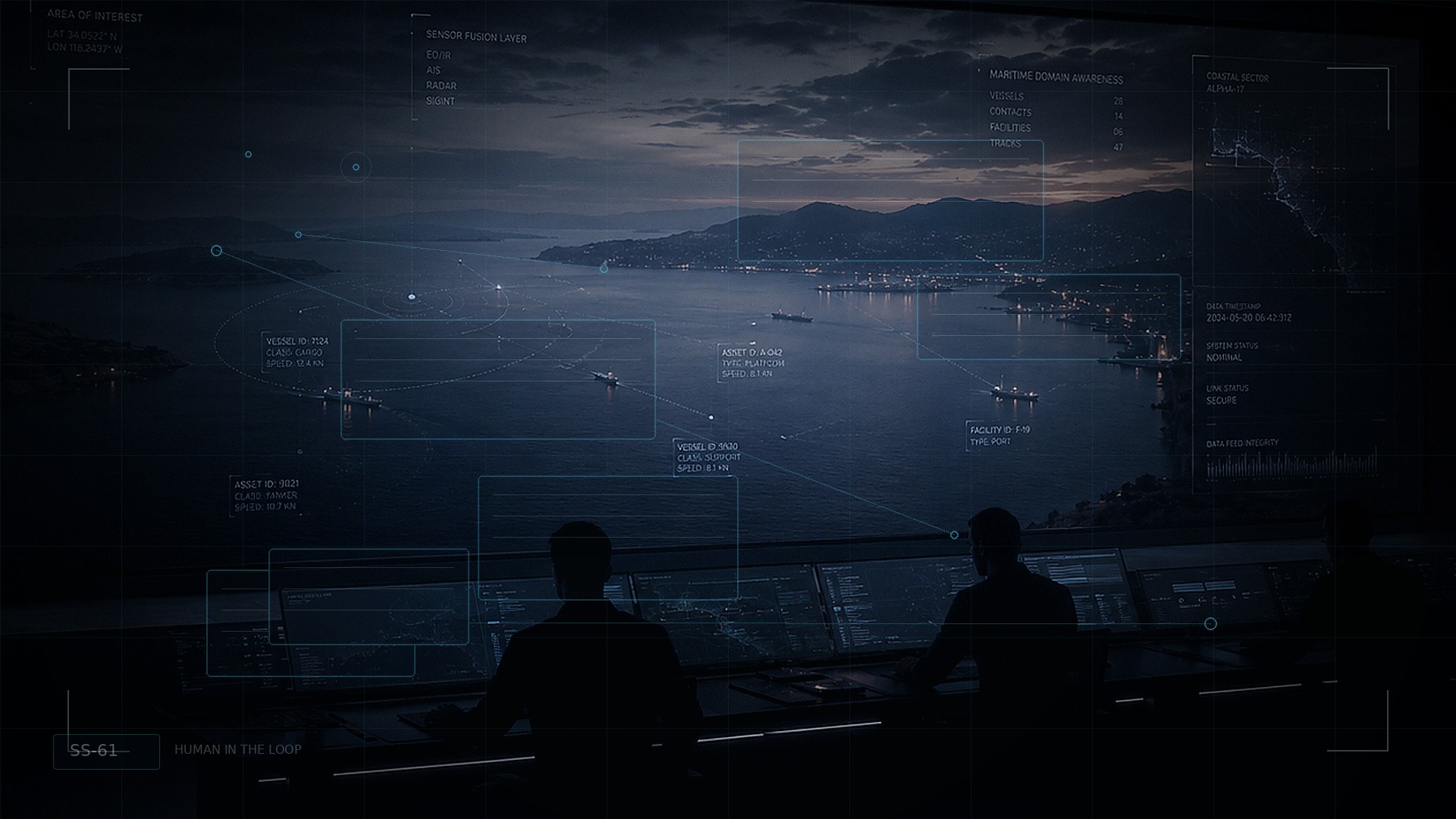
Human review and authority remain central to mission workflow, escalation and disclosure.
Simulation, replay and model improvement are governed by human approval gates and controlled records.
Governance boundary
Public information is deliberately limited
Technical specifications, deployment assumptions, restricted payload details, supplier data, operational methods and sensitive performance claims are available only through controlled review, lawful-use screening and appropriate confidentiality arrangements.
Autonomy supports awareness, triage and decision support. Accountable humans remain responsible for review, authorisation and escalation.
Procurement, partner and public-sector conversations are handled through controlled qualification and mission context review.
Mission workflows are framed around what was sensed, fused, recommended, decided and reviewed.
The public website avoids sensitive methods, supplier details, operational procedures and protected technical designs.
Proof and evidence panel
Controlled disclosure route
Related routes
Continue through the Sky Shadow system
Next step
Request a private mission briefing
Qualified procurement, partner, public-sector, infrastructure-owner and investor enquiries are routed through controlled review.