

Technology / Design
Low-observable engineering
High-level design principles for discreet operation and reduced signature in relevant maritime and remote-site contexts.
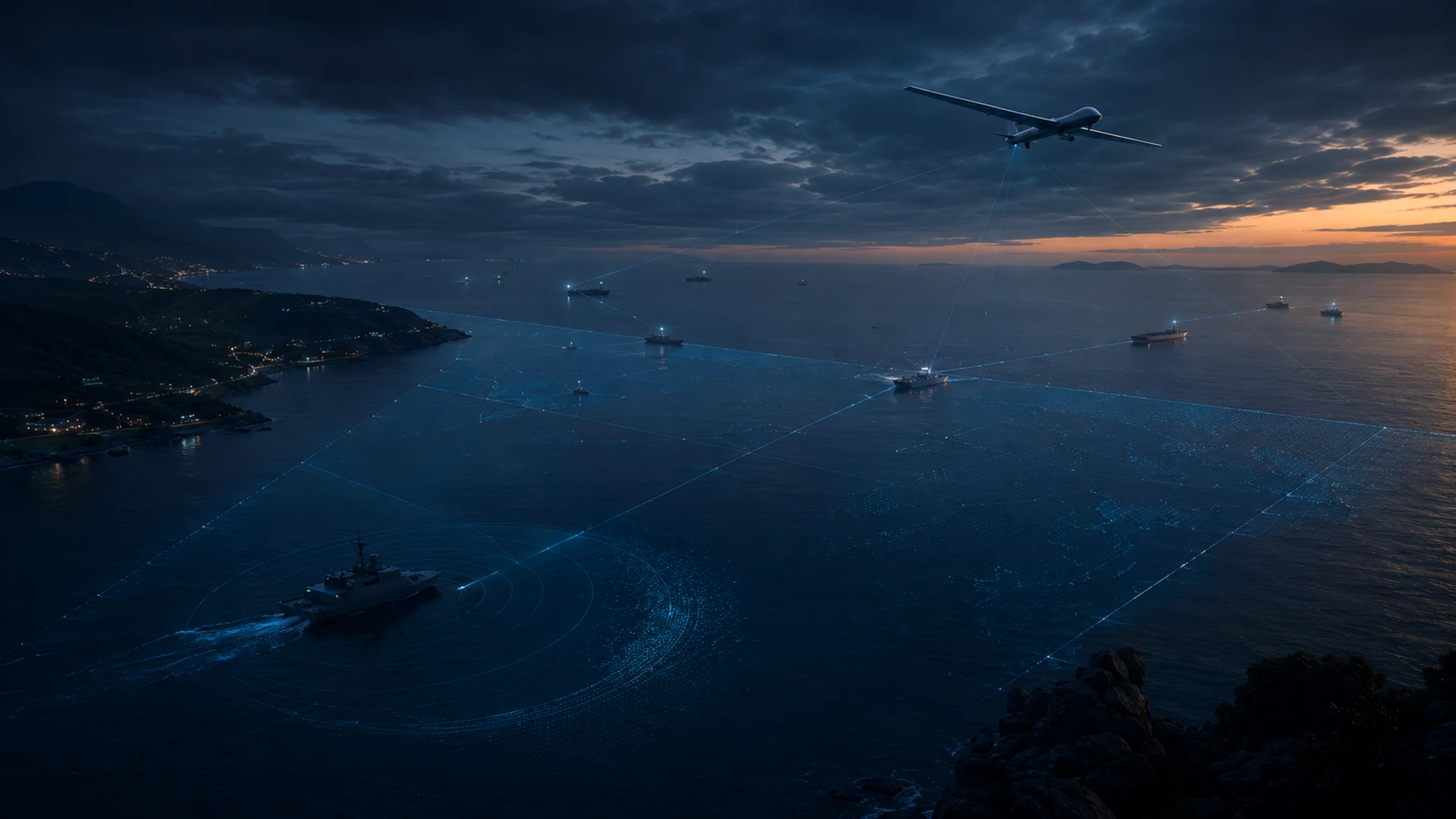
Mission Context
Public-safe design discipline without exposing sensitive methods
Public content stays non-sensitive and avoids evasion or tactical instructions. The page describes low-observable engineering as a controlled design discipline that supports mission architecture, operator review and responsible disclosure boundaries.
The capability is positioned around mission fit, reduced public signature language, disciplined integration and evidence-ready workflows rather than restricted construction details or operational procedures.


Capability Areas
Capability role
Where it fits
The capability is selected only when it strengthens the mission picture.
- Site context
- Operating environment
- Decision need
Data contribution
Outputs are routed into correlation, review and evidence workflows.
- Signal context
- Anomaly support
- Record value
Operator review
Human review remains central to interpretation, escalation and reporting.
- AEGIS
- ARGUS
- Research
Controlled validation
Pilot plans define success measures, support needs and reporting quality before scale-up.
- Pilot pathway
- Training
- Support
Disclosure Boundary
Representative public architecture, not a technical specification
Sky Shadow public pages describe capability at a mission and architecture level. Configuration-specific materials, restricted integration detail and deployment-sensitive assumptions are handled only through approved private briefing where appropriate.
Mission Systems
Software, sensing and evidence layers connected into one architecture

SHADOWCORE
Sensor fusion, anomaly review and mission intelligence layer.
ARGUS
Multi-sensor correlation and persistent watch layer.
AEGIS
Human-commanded tasking, escalation and command workflow layer.
Research
Evidence records, mission logs, reporting and briefing layer.
Platform fit
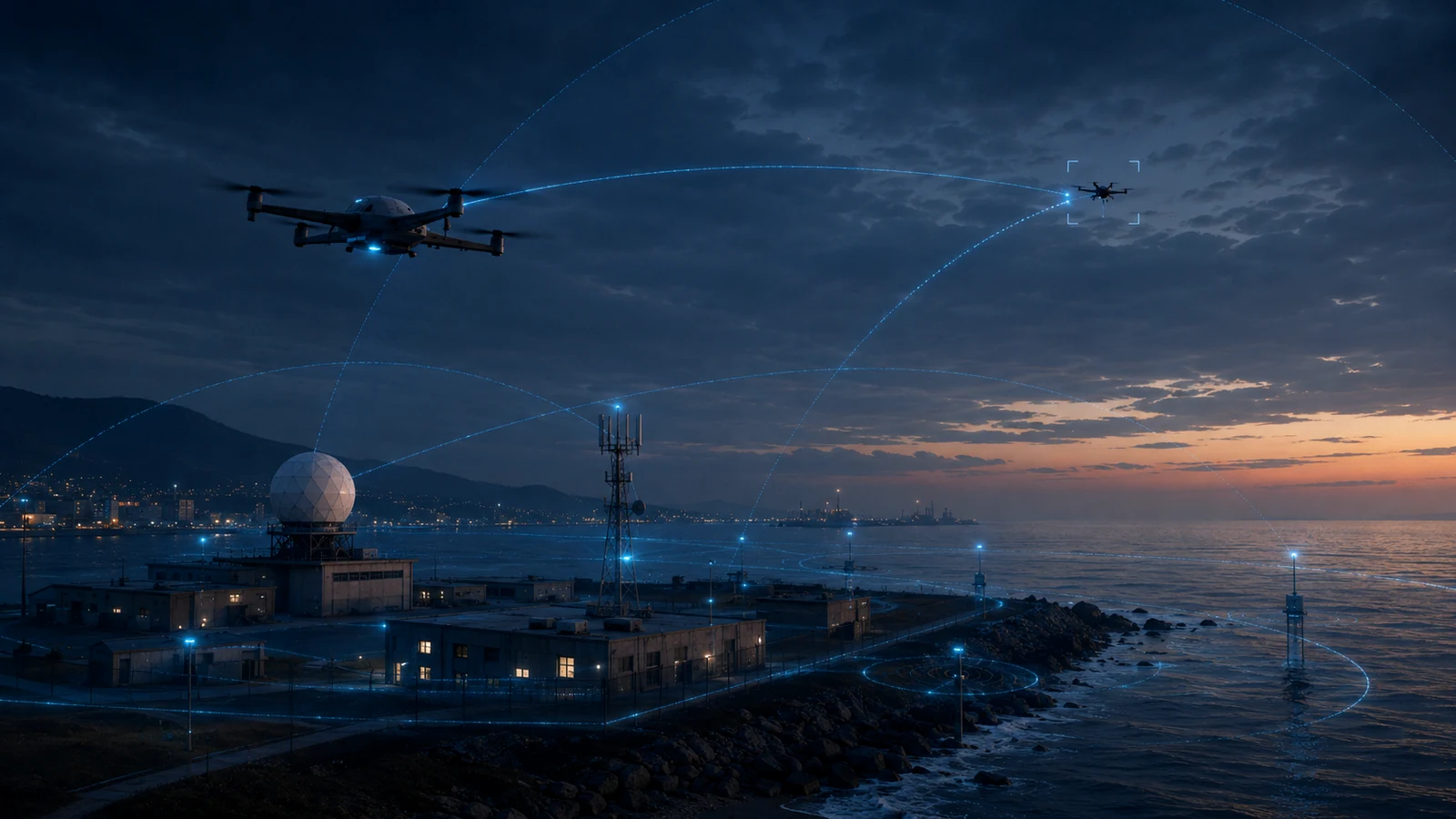
Mission-specific integration logic for air, surface and fixed-site contexts.
Private review
Configuration-sensitive detail is reserved for approved private briefing.
Operating Context
Discreet design language across maritime and remote-site missions

Deployment Path
From requirement to controlled deployment
Map the mission
Define the site, assets, operating area and decision points.
Select the architecture
Choose platform, sensor, autonomy and evidence layers around the requirement.
Run a controlled pilot
Validate workflows, reporting outputs and support requirements.
Train and govern
Align operators, escalation paths, data handling and accountability.
Scale deliberately
Extend coverage only after the pilot route and support model are clear.
Procurement Notes
Buyer-facing structure, clean evidence and responsible public detail
Public information is intentionally high-level and defensive. Detailed deployment, integration and operational material is handled through a controlled briefing route.
Private Briefing
Discuss the mission context with Sky Shadow
Share the operating environment, asset group, timescale and preferred pilot route. Sky Shadow can then map the requirement to platform, sensing, command and evidence layers.